





Arthur Jafa Has My Attention. I Wanted His Grip.
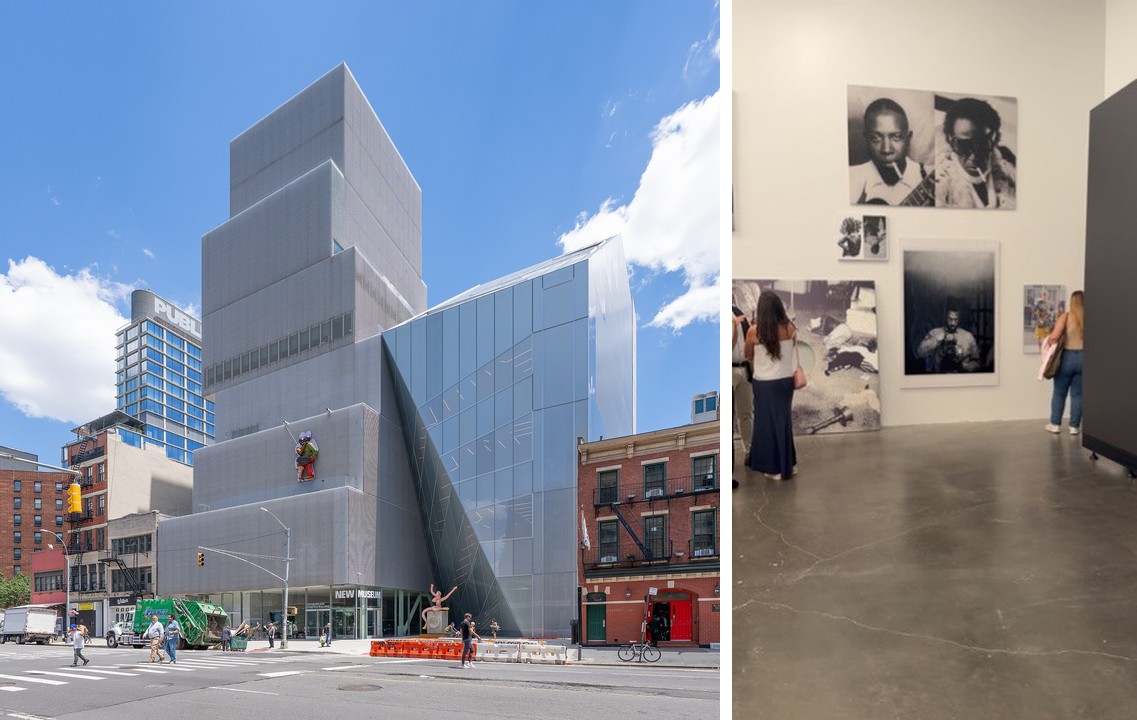
Header: The New Museum on the Bowery, and inside Arthur Jafa: I Am Tony. Left photo: ajay_suresh via Wikimedia Commons, CC BY 4.0, resized and placed side by side. Right photo: Riana Lynn.

I'm trying something new here. Most of my days go to building a company, but a lot of my life has happened in rooms with art. This is me trying to be more of a critic, which means saying out loud what I loved and what I didn't.
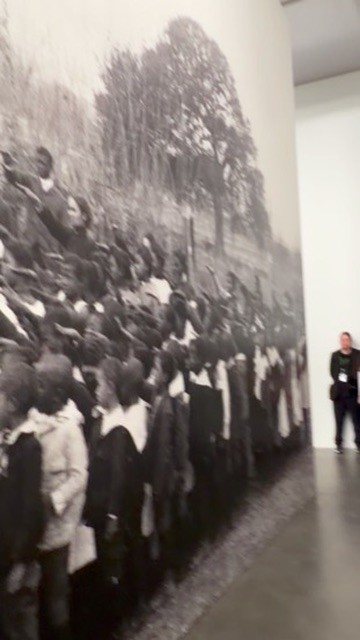
"Arthur Jafa: I Am Tony" is large. It fills two floors of the newly expanded New Museum and runs through January 3, 2027. It stretches from early work like Monster, his 1988 self-portrait, to his most famous video, Love Is the Message, the Message Is Death, to new pieces made for this show. Walking through it, I kept coming back to one feeling: pride. It matters to me to see a Black man of Jafa's stature given this much room in a New York museum. That should not feel rare. It still does.
Jafa tries to shock you. He tries to keep you engaged. A lot of the time, he does. The rooms are crowded with images, cutouts, sound and color, and the color is what holds together best. The show is cohesive in its colorway. You always know you are in his world.
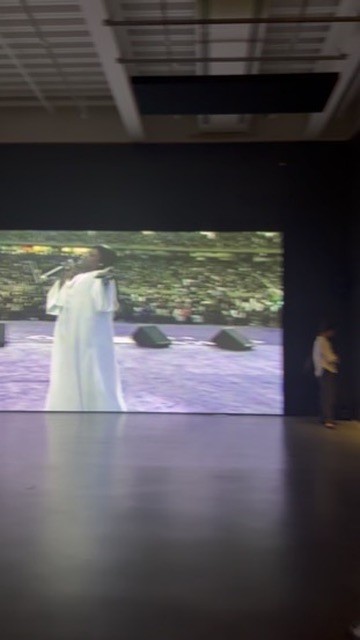
But a cohesive palette is not the same as a cohesive show. Something is missing, and the best word I have for it is the grip. I was stimulated the whole time and held only some of the time.
Zachary Fine, writing in The New Yorker, gets close to this from another angle. He describes the loose, "freestyle" hang and says the show can feel like "a teen-ager's paradise." He is tougher than I am on the still images. In his view, pairing found pictures because they echo each other, a matching color or a similar pose, no longer creates depth when our screens are already full of remixed images. Where we meet is the video work. Fine finds it much stronger, and he points to Love Is the Message and BEN GAZARRA, which reworks and loops a scene from Taxi Driver. I felt that too. When Jafa edits, he grips. When he arranges objects in a room, he sometimes lets go.
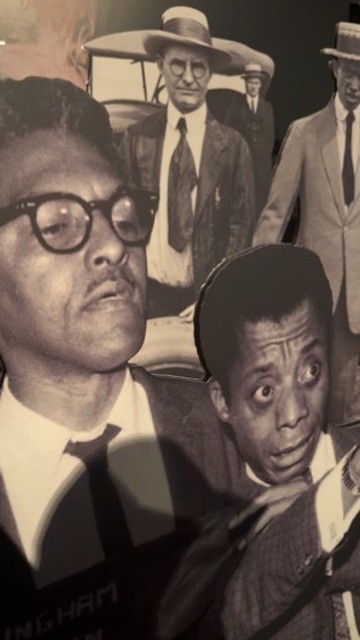
Where I part ways a little: I read the looseness less as a problem with appropriation and more as what happens when one person is alone with a huge archive. My instinct, as someone who builds teams for a living, is that he probably needs more collaborations. Jafa came up as a cinematographer, working alongside filmmakers like Julie Dash and Spike Lee, and the museum describes his way of arranging images with a phrase he borrows from his friend and collaborator John Akomfrah. A strong editor, a co-curator, or a partner who pushes back might turn a big collection into a sharper argument.
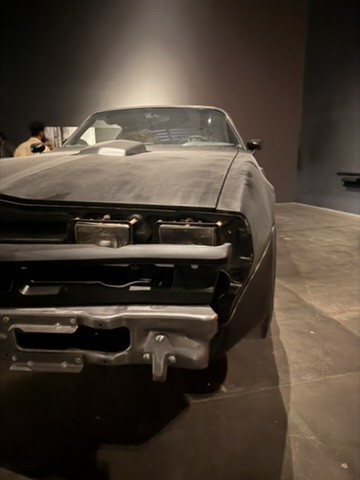
And I'll say this kindly. I always wonder if Arthur needed a little hug during the months he put this together. I don't mean that as a joke. A show this full of grief, violence and noise reads to me like the work of someone carrying a lot. Sometimes the work that grips you comes after the artist has been held.
The other show on right now, "The Bowery: Devil's Mile," hit me differently. Curated by Lisa Phillips, it traces New York's oldest street from a Lenape footpath to dime museums and theaters to the artists' community that the New Museum now calls home. I've lived in New York part time for about 15 years. This city has shaped me as an entrepreneur, as a creative and as a resilient person. Seeing the Bowery's waves of gangs, performers, entrepreneurs and artists laid out in one place felt like looking at a family tree for people who keep reinventing themselves.
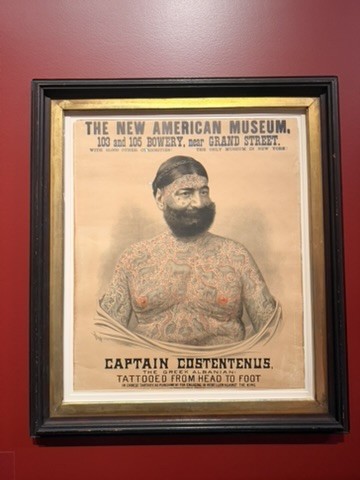
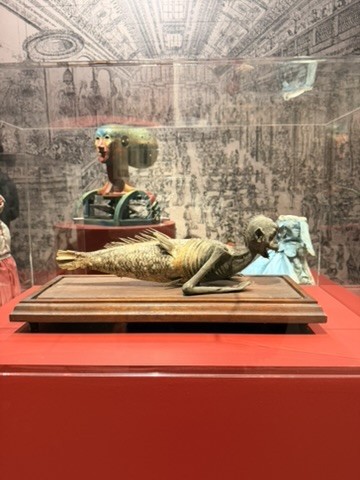
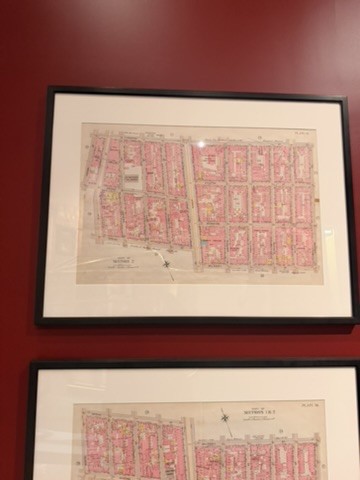
I'm proud of what the New Museum is able to explore right now. A full Jafa survey and a history of the street outside its own front door, under one roof, is a bold pairing. Go see both. Let Jafa shock you. Then head down to the Bowery show and let it remind you why New York keeps making room for artists like him, and for people like me.
Riana Lynn
Sources: Zachary Fine, "Arthur Jafa's Odyssey of Appropriation," The New Yorker; Arthur Jafa: I Am Tony, New Museum; The Bowery: Devil's Mile, New Museum.