


I Want a Future We Can Taste
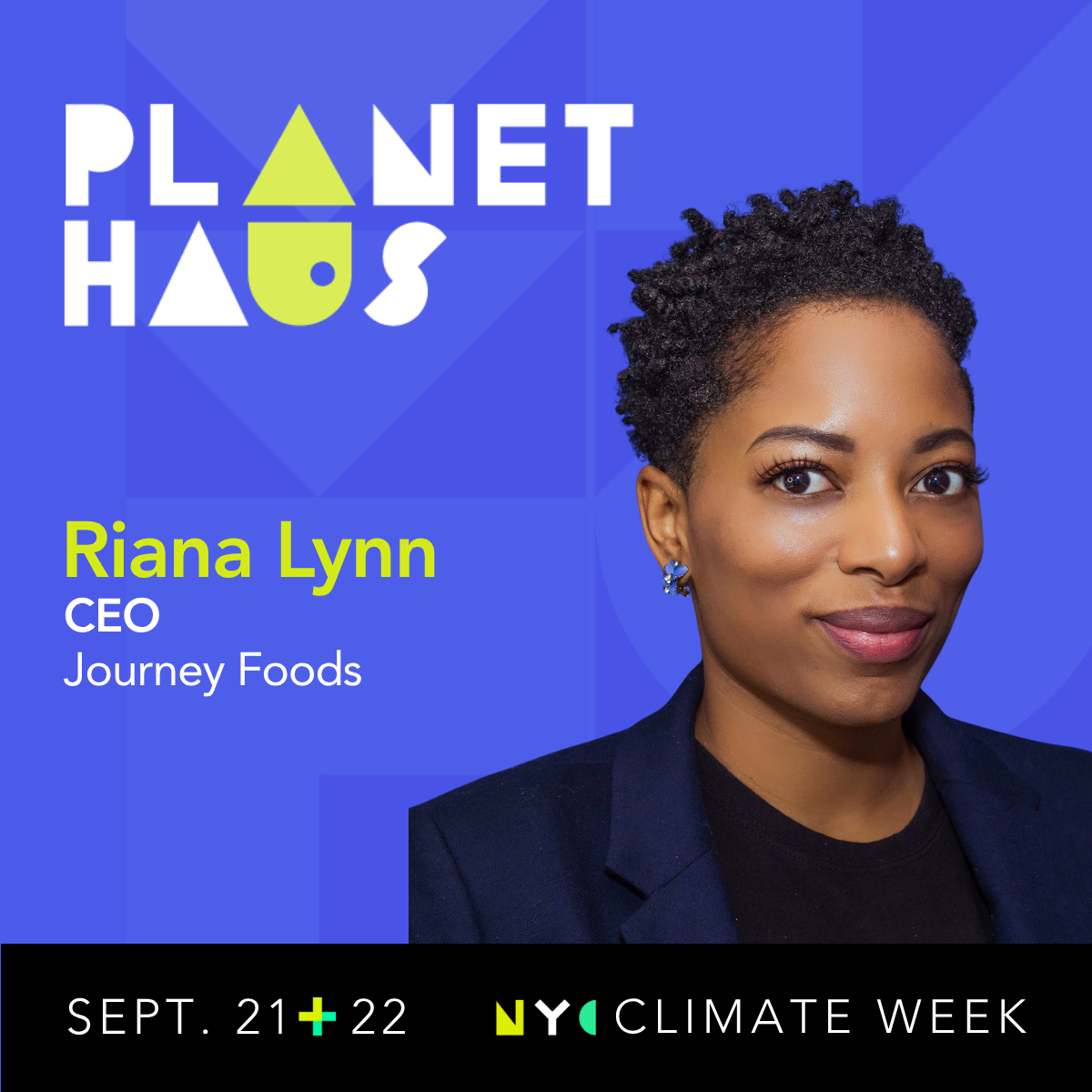
I have never believed the future should arrive as a spreadsheet alone. I want to smell it in the soil, recognize it in the hands of a farmer, see it on a shelf, and taste it at a table where more people have the power to decide what gets made. That is what brings me to PlanetHAUS during NYC Climate Week: a gathering built around the idea that climate action can be lived, touched, worn, and eaten—not simply discussed.
As a fourth-generation food entrepreneur, scientist, and technologist, I think constantly about the invisible architecture behind every bite. An ingredient carries land, labor, culture, chemistry, capital, and climate inside it. Yet the people developing our food are often making enormous decisions with fragmented data and incomplete visibility. We cannot design a more resilient food system if we cannot clearly see the one we have.
I built Journey Foods to make that system more legible—and more imaginative. Journey AI connects intelligence across ingredients, products, suppliers, formulations, nutrition, sustainability, and consumption so food teams can understand what exists and build what should exist next. Technology is most powerful when it expands human agency: helping a scientist discover a better ingredient, a founder find the right supplier, a producer reach new markets, or a community see itself reflected in the future being designed.
At PlanetHAUS, I am carrying one question into every room: What would we create if the future had to be worth tasting? I imagine food that restores more than it extracts, data that reveals rather than obscures, and products that honor pleasure alongside health and resilience. Because the future of food should not merely sustain us. It should make us want to gather around the table.