


Strange Little Fruit: The Documentary Project and What It Reveals About Food Storytelling
- What Is Strange Little Fruit?
- Why Food Storytelling Needs a Different Lens
- The Connection Between Storytelling and Systems Change
- What the Project Taught Me About My Own Work
- Food Culture Writing as a Form of Advocacy
- How Strange Little Fruit Fits Into a Larger Body of Work
- What This Means for Event Planners and Conference Directors
- The Ongoing Work
- FAQs
What Is Strange Little Fruit?
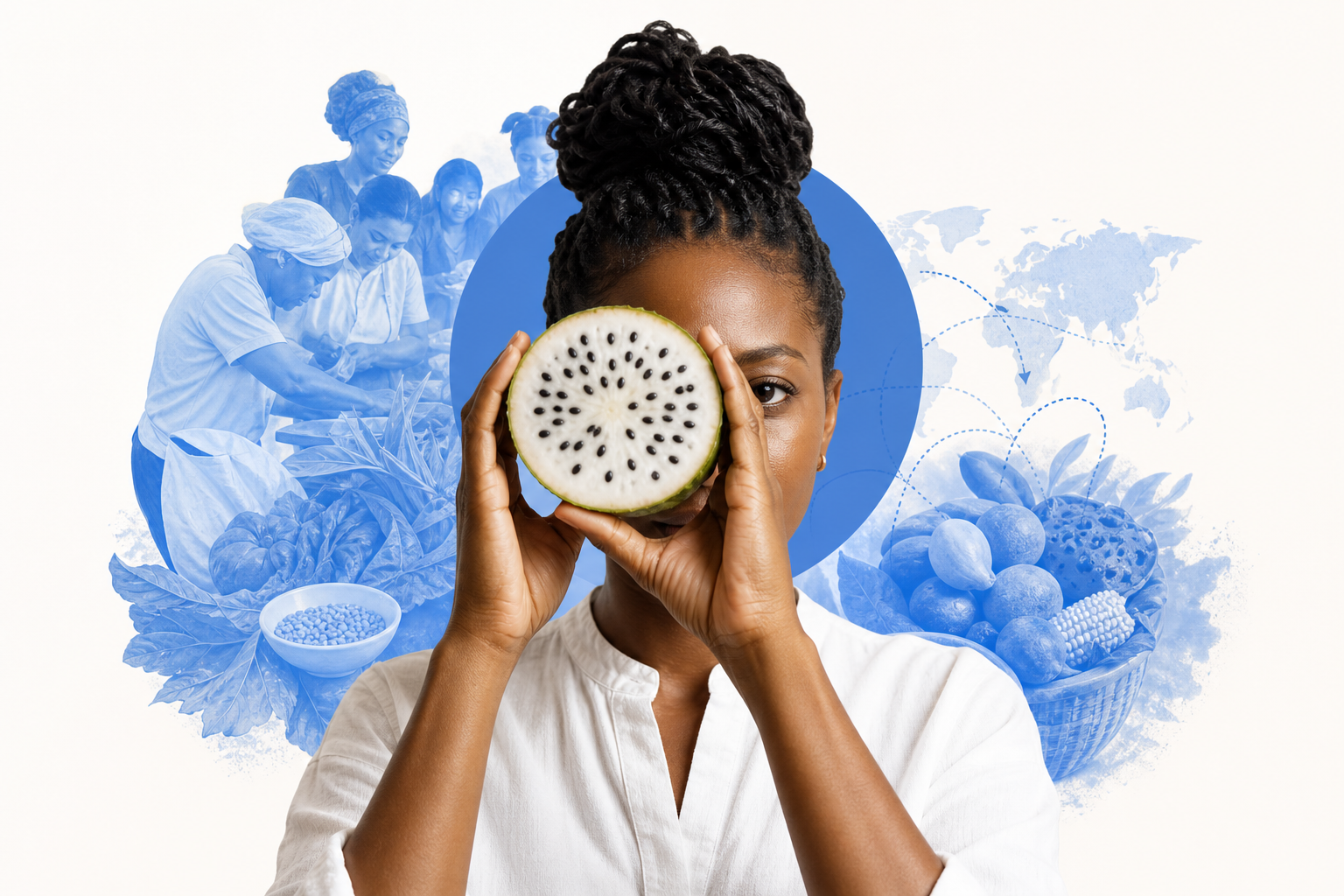
Strange Little Fruit is a film I produced that sits at the crossroads of food culture, identity, and the kind of storytelling that rarely makes it into mainstream food media. It's not a cooking show. It's not a farm-to-table documentary in the conventional sense. I made it because the stories I kept encountering in my work as a founder, researcher, and speaker were simply not showing up anywhere on screen.
When you build a food tech company like Journey Foods, you spend a lot of time thinking about what food systems look like at scale — supply chains, ingredient data, nutritional optimization. But you also start to notice something else: the cultural weight that food carries, and how rarely that weight gets treated with the seriousness it deserves.
Strange Little Fruit was my attempt to close that gap.
Why Food Storytelling Needs a Different Lens
Most food documentaries follow a familiar arc. A charismatic chef. A struggling farm. A supply chain exposé. These stories matter — I'm not dismissing them. But they tend to center the same voices, the same geographies, and the same definition of what "good food" looks like.
What gets left out is the texture of food as culture. The way a particular ingredient carries a whole history of migration. The way food access is inseparable from economic access. The way communities of color have been feeding themselves, innovating, and building food knowledge for generations without ever being called food innovators.
That's the lens I wanted Strange Little Fruit to use.
As a Black woman who came to food tech through biology and entrepreneurship, I've always been aware of the gap between who gets credited for food innovation and who actually drives it. The documentary was a way to put that awareness on screen rather than just talk about it in conference rooms.
The Connection Between Storytelling and Systems Change
Here's something I genuinely believe: you cannot change a food system without changing the stories people tell about it. Policy follows narrative. Investment follows narrative. Consumer behavior follows narrative. If the dominant story about food innovation is that it happens in Silicon Valley labs and Michelin-starred kitchens, that's where the resources go.
Strange Little Fruit is a counter-narrative. It argues, through the specific and the personal, that food knowledge is distributed — that it lives in communities rarely centered in mainstream food media, and that taking those communities seriously isn't just a matter of equity. It's a matter of accuracy.
This is the same argument I make from the stage when I speak about food systems and AI. The data we feed into AI-driven food platforms reflects the stories we've already told about food. If those stories are incomplete, the models are incomplete. Storytelling and systems thinking aren't separate disciplines. They inform each other constantly.
What the Project Taught Me About My Own Work
Making Strange Little Fruit clarified something about how I want to operate as a writer, speaker, and founder. I'm not interested in being a single-category person. The work I find most meaningful lives at the edges — where food science meets cultural history, where technology meets community, where data meets story.
That multi-hyphenate way of working isn't always easy to explain to a booking committee or a potential investor. People want a clean label. But the projects I'm most proud of — Journey Foods, Food Freedom, Strange Little Fruit — don't fit neatly into one box, and I think that's exactly why they resonate.
Strange Little Fruit in particular taught me that the most honest food storytelling is specific. It doesn't try to speak for everyone. It goes deep on a particular place, a particular practice, a particular person, and trusts that the specificity will carry the universal.
That's a lesson I bring into every keynote I write. The stories that land aren't the ones that try to cover everything. They're the ones that go all the way into one true thing.
Food Culture Writing as a Form of Advocacy
I want to say something directly about food culture writing as a practice, because I think it's undervalued and misunderstood.
Food writing gets treated as a soft category — lifestyle content, something adjacent to recipes and restaurant reviews. But the best food culture writing is advocacy. It makes arguments about who matters, whose knowledge counts, and what kind of future we're building when we decide what to grow, what to eat, and what to discard.
My book Food Freedom lives in that space. Strange Little Fruit lives in that space. The newsletter I send to more than 11,967 subscribers lives in that space. Different formats, same underlying argument: food is a site of serious intellectual and political work, and the people doing that work deserve serious attention.
When I write about food culture, I'm not trying to make people feel good about their dinner. I'm trying to shift how they see the systems that produce dinner — and who holds power within those systems.
How Strange Little Fruit Fits Into a Larger Body of Work
If you look at everything I've built across rianalynn.com, a pattern emerges. Journey Foods used technology to make food formulation faster and more nutritious. Food Freedom used a book to make the argument for food sovereignty. Strange Little Fruit used film to make the cultural case visible. The newsletter and blog use ongoing writing to keep the conversation alive.
These aren't separate projects. They're different entry points into the same set of questions. What does it mean to build a food system that actually serves people? What does innovation look like when it centers the communities that have been excluded from the innovation economy? What's the relationship between biological knowledge, cultural knowledge, and technological knowledge when it comes to food?
Strange Little Fruit is the most personal of these projects because film is the most personal medium I've worked in. It asks the audience to sit with something — to feel it before they think about it. That's a different kind of persuasion than a keynote or a white paper, and it's one I found genuinely difficult and genuinely worth doing.
What This Means for Event Planners and Conference Directors
If you're building an agenda around food innovation, food tech, or the future of food systems and you're looking for a speaker who can bring real depth to that conversation, Strange Little Fruit is part of what makes my perspective different.
I'm not someone who read about food culture and decided to have opinions about it. I built a company in this space. I made a film in this space. I wrote a book in this space. The keynotes and workshops I deliver draw on all of that, and the result is a kind of specificity that audiences notice.
The most common feedback I get after speaking is some version of "I hadn't thought about it that way before." That's what happens when you bring a food culture writer's sensibility into a tech conversation, or a scientist's rigor into a cultural one. The frame shifts, and people see something they couldn't see before.
The Ongoing Work
Strange Little Fruit isn't finished work in the sense that its questions aren't settled. The conversations it opened are ones I'm still having — in keynotes, in the newsletter, in the blog, and in whatever comes next.
Food storytelling right now is at a genuinely interesting moment. AI is changing how food content is produced and distributed. The climate crisis is reshaping what ingredients are available and what food systems are viable. Cultural reckonings around food access and food sovereignty are changing what consumers expect from the companies and institutions that feed them.
All of that creates both urgency and opportunity for the kind of storytelling Strange Little Fruit represents. The stories we tell about food right now will shape the systems we build over the next decade. That's not a small thing.
I made Strange Little Fruit because I wanted to contribute something honest and specific to that conversation. I keep writing, speaking, and building for the same reason.
If any of this resonates with what you're trying to do with your event, your organization, or your own work, I'd love to hear from you. You can reach me through rianalynn.com.
FAQs
What is Strange Little Fruit?
Strange Little Fruit is a documentary film project I produced that explores food culture, identity, and the stories about food that rarely appear in mainstream media. It focuses on the cultural weight food carries in communities that are often excluded from dominant food narratives.
How does Strange Little Fruit connect to my other work?
It's part of a larger body of work that includes Journey Foods (a food tech company), Food Freedom (a book), and an ongoing newsletter and blog. Each project approaches the same core questions about food systems, innovation, and equity from a different angle. Film allowed me to make the cultural argument visible in a way that data and text alone can't.
What does "food culture writer" mean in the context of this work?
A food culture writer uses writing to examine food as a social, political, and historical phenomenon — not simply as cuisine or nutrition. My writing across the book, newsletter, and blog treats food as a site of serious intellectual work, making arguments about power, access, and whose knowledge counts in food systems.
Why does food storytelling matter for food systems change?
Narrative shapes where resources, policy, and investment flow. If the dominant story about food innovation centers only certain voices and geographies, those are the places that get funded and supported. Counter-narratives like Strange Little Fruit argue for a broader, more accurate picture of where food knowledge actually lives.
How does Strange Little Fruit inform my keynote speaking?
Making the film deepened my understanding of specificity as a storytelling tool. The keynotes I deliver draw on the same principle: going deep on one true thing rather than trying to cover everything. That approach tends to produce the kind of perspective shift that audiences describe as genuinely new rather than familiar.
Who is the audience for Strange Little Fruit?
Anyone interested in food culture, food justice, and the stories that shape how we think about what we eat. It's particularly relevant for audiences in food tech, sustainability, and cultural programming who want to engage with food as a complex system rather than a consumer category.
Can I book Riana Lynn to speak about Strange Little Fruit and food storytelling?
Yes. I speak on food culture, food systems, AI, and the intersection of storytelling and innovation. Conference directors and event planners interested in booking a keynote, panel, or workshop can get in touch through rianalynn.com.