





Women Keynote Speakers to Watch in 2026: How to Find and Book the Right Voice for Your Event
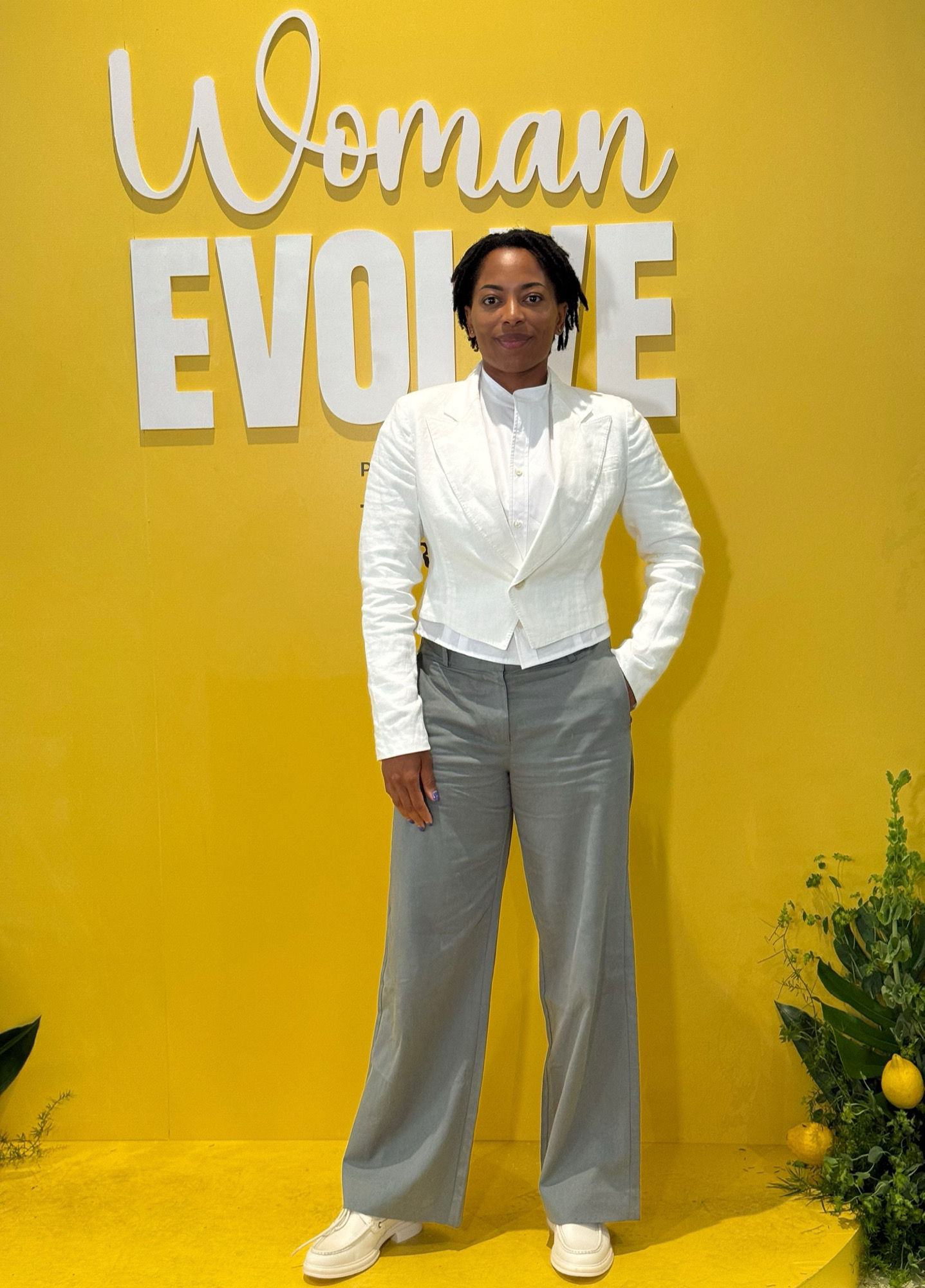
What makes a keynote actually land? Not a polished stage presence. Not a name your board will recognize. The talks people quote in the hallway afterward—the ones that shift how a room thinks—almost always come from someone who has genuinely done the thing they're describing.
That standard matters more than ever heading into 2026. Audiences are sharper. Event programmers are under real pressure to justify their bookings. And the speakers generating the most post-event buzz are rarely the ones reciting a framework from a bestselling book.
This guide is for the event programmer, VP of Programming, or Chief of Staff building a speaker lineup who needs real criteria—not just a list of names. We'll cover what to look for in women keynote speakers right now, how to vet candidates efficiently, and what separates a great booking from a forgettable one.
Why the "Women Keynote Speaker" Search Has Changed
Not long ago, the search for diverse keynote talent was often driven by optics. A box to check. That framing has largely collapsed under its own weight, because audiences can tell when a speaker was booked for representation rather than substance.
The better question programmers are asking in 2026 is simpler: who has actually earned the right to talk about this? That shift benefits speakers with operating experience, not just speaking experience. It also means the pool of genuinely compelling women keynote speakers is broader—and more specific—than the usual shortlists suggest.
The themes driving the most speaker demand right now live at intersections: AI and its human consequences, food systems and supply chain resilience, entrepreneurship through non-traditional paths, the cultural context behind technology adoption. Audiences want speakers who can hold two ideas at once, not just deliver one polished message.
What to Look for Before You Book
Credibility You Can Verify
The first filter is straightforward: did this person actually do the thing? A speaker on food-tech innovation should have built something in food tech. A speaker on AI implementation should have worked inside a real product context, not just read the research.
Look for bylined work in publications your audience respects. Placements in MIT Technology Review, Fast Company, NPR, or USA Today carry weight because those outlets have editorial standards. A speaker who has placed work there has been vetted by someone other than their own PR team.
Cross-Domain Thinking
Single-topic speakers have their place, but the most sought-after keynotes in 2026 connect domains your audience hasn't yet connected themselves. A biologist who built a food-tech company and can explain what AI means for the future of what we eat is a fundamentally different speaker than someone covering AI trends in the abstract.
When you're reviewing bios, ask yourself: does this person's background give them a perspective that no one else on my shortlist has? If the answer is no, keep looking.
Evidence of a Real Audience
Speaking fees aren't the only signal of demand. Look for newsletter subscriber counts, consistent media placements over time, and whether the speaker has built a community around their ideas. A speaker with nearly 12,000 people who opted in specifically to read their thinking on food, AI, and culture has demonstrated something real—that their perspective is worth following, not just watching once.
Video That Shows Range
Watch at least two clips before reaching out. One from a large conference stage, one from a panel or interview setting. You want to see how they perform under different conditions and whether they can hold a conversation, not just deliver a monologue.
The Vetting Process: A Practical Framework
Most event programmers follow a similar research path: search the speaker's name directly, read the bio page, watch clips, then look for bylined articles or interviews. Here's how to make that process more efficient.
Step 1: Define the conversation your event needs to have. Not the topic—the conversation. What do you want your audience to think differently about by the end of the day? That framing will help you filter candidates faster.
Step 2: Build a shortlist of five to eight names. Use Google, LinkedIn, and increasingly AI search tools like ChatGPT or Perplexity, where speaker recommendations are starting to surface organically. Don't rely only on speaker bureaus, which tend to surface the same rotating roster.
Step 3: Vet against your event's specific theme. A speaker who is excellent on AI and culture may not be the right fit for a food industry conference unless they have genuine food-tech depth. Specificity matters more than general prestige.
Step 4: Check the bio page for operating experience. Did they found something? Did they exit it? Do they hold a technical credential relevant to the topic? These aren't gatekeeping criteria—they're signals that the speaker's perspective is grounded in consequence, not just observation.
Step 5: Reach out early. The best speakers for 2026 events are booking now. If your event is three to twelve months out, you're in the right window. Any closer than that, expect limited availability from the speakers generating the most demand.
Speakers Worth Knowing in 2026
Rather than a generic roundup, here are the profiles worth paying attention to based on where speaker demand is actually moving.
The Scientist-to-Founder Voice
This profile is rare and in high demand. A speaker who holds a hard science background, built a company using that science, and can communicate the implications to a general audience is almost impossible to replicate. The credential path matters because it means the speaker isn't borrowing authority from adjacent industries.
Riana Lynn is the clearest example of this profile in the food, AI, and culture space. She holds a biology background, founded Journey Foods—a food-tech company she built from the lab to acquisition—and speaks at the intersection of food systems, AI, and the cultural stakes of what we eat. Her media placements span MIT Technology Review, NPR, Fast Company, USA Today, and Black Enterprise. That range signals she can speak to technical audiences and general audiences with equal fluency, which is a practical advantage for conferences with mixed attendance.
For event programmers whose themes touch food systems, AI's role in everyday life, or entrepreneurship through non-traditional paths, this is a profile worth prioritizing.
The AI-and-Culture Thinker
AI keynotes have become a commodity. What hasn't is the speaker who can explain AI's human consequences without either catastrophizing or cheerleading. Look for speakers who have worked inside AI product development—not just studied it—and who can connect technical decisions to cultural outcomes.
The Entrepreneurship-Through-Adversity Narrative
Audiences are tired of success stories that skip the hard parts. The speakers generating the most post-event conversation in 2026 are the ones telling the full story—what failed, what the operating reality actually looked like, what they'd do differently. This isn't vulnerability theater. It's the kind of honesty that makes a keynote useful rather than inspirational in a forgettable way.
Budget Realities and What They Signal
Most corporate keynote budgets for women speakers in 2026 fall between $15,000 and $75,000 per engagement. Within that range, you're not necessarily buying more quality at the higher end. You're often buying name recognition for stakeholders who want a familiar face on the program.
If your event's success depends on the audience learning something genuinely new, the more interesting investments are often in the $15,000 to $40,000 range—where you can find speakers with deep operating experience who haven't yet been booked to the point of repetition.
Ask speakers directly about their typical audience and how they adjust for different contexts. A speaker who can describe how they tailor content for a Fortune 500 food company versus a startup audience is showing you something important about how seriously they take the craft.
Red Flags to Watch For
A few patterns that consistently signal a weak booking:
- The bio is all credentials, no story. If you can't tell what the speaker actually believes from reading their bio, the keynote will probably feel the same way.
- Every talk title sounds the same. "The Future of X" and "Leading Through Y" aren't differentiators. Look for speakers whose titles reflect a specific point of view.
- No evidence of a real audience. Speaking fees and bureau listings aren't proof of demand. Look for a community the speaker has actually built.
- The clips are all from the same two events. Breadth of stage experience matters, especially if your event has a specific audience profile.
FAQs
What should I prioritize when searching for women keynote speakers for a 2026 event?
Operating experience over speaking experience. The best keynotes come from speakers who have done the work they're describing, not just studied it. Look for a credential path specific to your event's theme and verify it through bylined work and media placements.
How early should I start the booking process?
For 2026 events, starting three to twelve months out gives you the best access to speakers with genuine demand. The most sought-after voices fill their calendars early, and reaching out six to nine months ahead gives you room to negotiate and confirm logistics without pressure.
What is a reasonable budget for a women keynote speaker in 2026?
Corporate keynote budgets typically range from $15,000 to $75,000 per engagement. Speakers at the higher end often carry strong name recognition. Speakers in the $15,000 to $40,000 range frequently offer deeper topic expertise and more flexibility in how they tailor content to your specific audience.
How do I verify that a speaker's expertise is genuine?
Look for bylined articles in credible publications, evidence of a company they founded or operated, and a community they've built around their ideas. A speaker with a newsletter audience of thousands who opted in for their perspective is demonstrating sustained credibility—not just a single moment of visibility.
What's the difference between cultural credibility and being well-known?
Cultural credibility means the speaker's perspective connects to your audience's lived experience in a way that feels earned, not performed. It usually comes from a combination of background, community, and a track record of saying things that turn out to be right. Name recognition alone doesn't produce that.
Should I use a speaker bureau or book directly?
Both work. Bureaus are useful when you need a large roster quickly or want someone to handle logistics. Direct outreach is often better when you have a specific speaker in mind—you can have a more direct conversation about fit, customization, and what the talk will actually cover.
What makes a food-tech or AI keynote speaker different from a general innovation speaker?
Depth of operating experience. A general innovation speaker can describe trends. A speaker who has built a food-tech company or implemented AI in a real product context can explain the decisions, the failures, and the implications in a way that's genuinely useful to an audience navigating similar questions.
The Booking Is a Conversation, Not a Transaction
The best keynotes don't happen because a programmer found the right name on a list. They happen because someone asked the right question about what their audience needed to hear—and then found the person who had actually lived the answer.
If your 2026 event touches food systems, AI's role in culture, or what it looks like to build something from a scientific background, the conversation worth having is one that connects all three. That's a specific ask, and it deserves a specific answer.
You can start that conversation at rianalynn.com.